Come hear us speak at Fetch Long Beach Veterinary Conference 2026 —> Click here for more information


When a practice owner begins considering a sale, one of the first professionals they may encounter is a veterinary practice broker.
A broker's primary role is transactional: they help market a veterinary practice for sale, identify prospective buyers, facilitate communication between the parties, and help move the transaction toward closing.
That role can be valuable. A knowledgeable broker may have an established network of veterinary buyers, understand current transaction activity, and know how to present an opportunity to potential acquirers.
But practice owners should understand the limits of a brokerage relationship. A broker's primary objective is generally to facilitate a transaction.
They won’t be helping you improve the practice's financial performance before it goes to market, developing a multiyear exit strategy, strengthening your management structure, preparing your team for a leadership change, or helping you optimize operations after closing.
That's where our team at Veterinary Solutions Services takes a different approach. We focus on the practice itself before, during, and after a transition.
Rather than viewing a veterinary hospital simply as an asset to be marketed, we look at the operational, financial, leadership, and strategic factors that influence its value and the owner's eventual outcome.
The terms "broker" and "consultant" are sometimes used interchangeably, but they represent different functions.
A broker can be particularly useful when you want access to an established buyer network or need someone to manage the transaction process.
A strong broker may help with:
The broker's compensation is generally tied to completing the transaction.
A consultant takes a broader view.
Our team of consultants at Veterinary Solutions Services can help owners evaluate the practice well before a sale, identify operational and financial opportunities, prepare documentation, develop an exit strategy, and plan for the transition.
The objective isn't simply to sell the practice. It's to help the owner arrive at the transaction in the strongest possible position.
Some owners consider handling a sale independently to avoid professional fees. While this may be possible, selling a veterinary practice involves valuation, financial analysis, confidentiality, negotiations, legal documentation, employee considerations, and transition planning.
Trying to manage every component without experienced guidance can create unnecessary risk and may ultimately cost more than the professional fees saved.
If you decide a broker is appropriate for your situation, choosing the right one matters.
A broker who specializes exclusively in veterinary practices will understand the industry's unique economics, buyer profiles, staffing challenges, and transaction structures better than a general business broker.
Ask how many veterinary transactions they have handled and what types of practices they typically represent.
A broker should be able to explain how they identify and reach qualified buyers. A large contact list isn't necessarily the same as an active network of veterinarians, groups, and strategic buyers who are currently interested in acquiring practices.
Understand the commission percentage, minimum fees, retainer requirements, marketing expenses, and any other transaction-related costs before signing an agreement. Ask specifically when fees become payable and whether there are circumstances that could result in additional charges.
Veterinary consolidators, private equity-backed groups, regional operators, and independent veterinarians may approach acquisitions differently.
A knowledgeable broker should understand these dynamics and be able to explain how different buyer types may affect valuation, deal structure, autonomy, and post-sale expectations.
Ask about completed transactions rather than simply the number of practices listed. Experience successfully bringing transactions to completion can be more meaningful than a long list of current listings.
Speaking with previous clients can help you understand what it is actually like to work with the broker.
Veterinary Solutions Services is not a brokerage platform, and we don't believe every owner necessarily needs a broker. Our role is to help owners understand their options and make an informed decision about the professionals they need.
Valuation is one of the most important components of a veterinary practice transition.
Many veterinary practices are evaluated using earnings-based approaches, including multiples of EBITDA or adjusted earnings. However, the multiple applied to a practice is not arbitrary. The quality, sustainability, and risk profile of the business can influence what a buyer is willing to pay.
This is why valuation should be treated as a planning tool, not simply a number generated when you decide to sell.
For example, a practice may have strong revenue but declining profitability. Another may be highly profitable but heavily dependent on its owner. A third may have strong financial performance but outdated equipment or significant staffing challenges.
Each situation can affect buyer perception and transaction value. At Veterinary Solutions Services, we help owners identify these issues before entering the market. Our focus is on preparing the practice for transition rather than waiting until the practice is already for sale to identify weaknesses.
Pre-sale planning may include reviewing:
Improving these areas can potentially strengthen the business and create a more compelling opportunity for buyers.
Not every veterinary practice sale requires a broker.
An owner may already know the ideal buyer. An associate, employee, family member, or another veterinarian in the community may be interested in ownership. In these situations, paying a percentage-based brokerage commission may not provide enough additional value to justify the expense.
A consultant can help both parties evaluate the transaction, review financial information, understand valuation, structure the transition, and plan the change in ownership.
A partner who wants to retire or leave the practice may sell their interest directly to another partner.
These buy-in and buyout transactions require careful valuation and agreement around ownership percentages, compensation, decision-making authority, and future responsibilities.
A consultant can provide strategic guidance without requiring a traditional brokerage process.
A consultant-led approach may be appropriate when:
There are also situations where a broker can be extremely valuable. A broker may be appropriate when you need broad exposure to qualified buyers, want to create competitive interest, or don't have an obvious buyer within your existing network.
At Veterinary Solutions Services, we don’t believe in forcing every owner into one transaction model. If a broker is the right professional for your circumstances, we can help you understand what to look for and how to work with one strategically.

Veterinary Solutions Services approaches practice transitions from the perspective of the entire business, not simply the transaction. Our support can include the following:
Before an owner begins marketing a practice, we evaluate financial, operational, leadership, staffing, and organizational factors that could affect the transition.
We help owners understand the financial story of their practice and identify areas that may need attention before entering negotiations.
A successful exit may take years to prepare. We help owners establish a timeline and identify priorities that can improve readiness. Our exit strategy services provide a dedicated resource for owners beginning to think about their eventual transition.
A practice that operates efficiently and consistently can be easier to transition than one that depends heavily on its owner. We can help address workflow, staffing, leadership, financial, and operational challenges before the practice enters the market.
Owners need to consider not only who can pay the highest price but also whether a buyer is compatible with their goals, team, clients, and legacy. We help owners evaluate transaction considerations and prepare for negotiations.
Employees are often one of the most important factors in a successful ownership transition. We help owners think through communication, leadership succession, team retention, and operational continuity.
The work doesn't necessarily end at closing. A new owner may need assistance with leadership, financial performance, staffing, workflows, and strategic planning. Our team can provide ongoing consulting solutions to support the practice after ownership changes.
One of the biggest mistakes owners make is waiting until they're ready to sell before thinking strategically about the practice's value. If you plan to retire in three to five years, that period can represent an important opportunity to strengthen the business.
You may have time to:
These improvements can make the practice more attractive to buyers while potentially making ownership less demanding in the years leading up to the sale.
A broker can help sell the practice you have. A consultant can help you build the practice you want to sell. For many owners, the strongest strategy involves both.
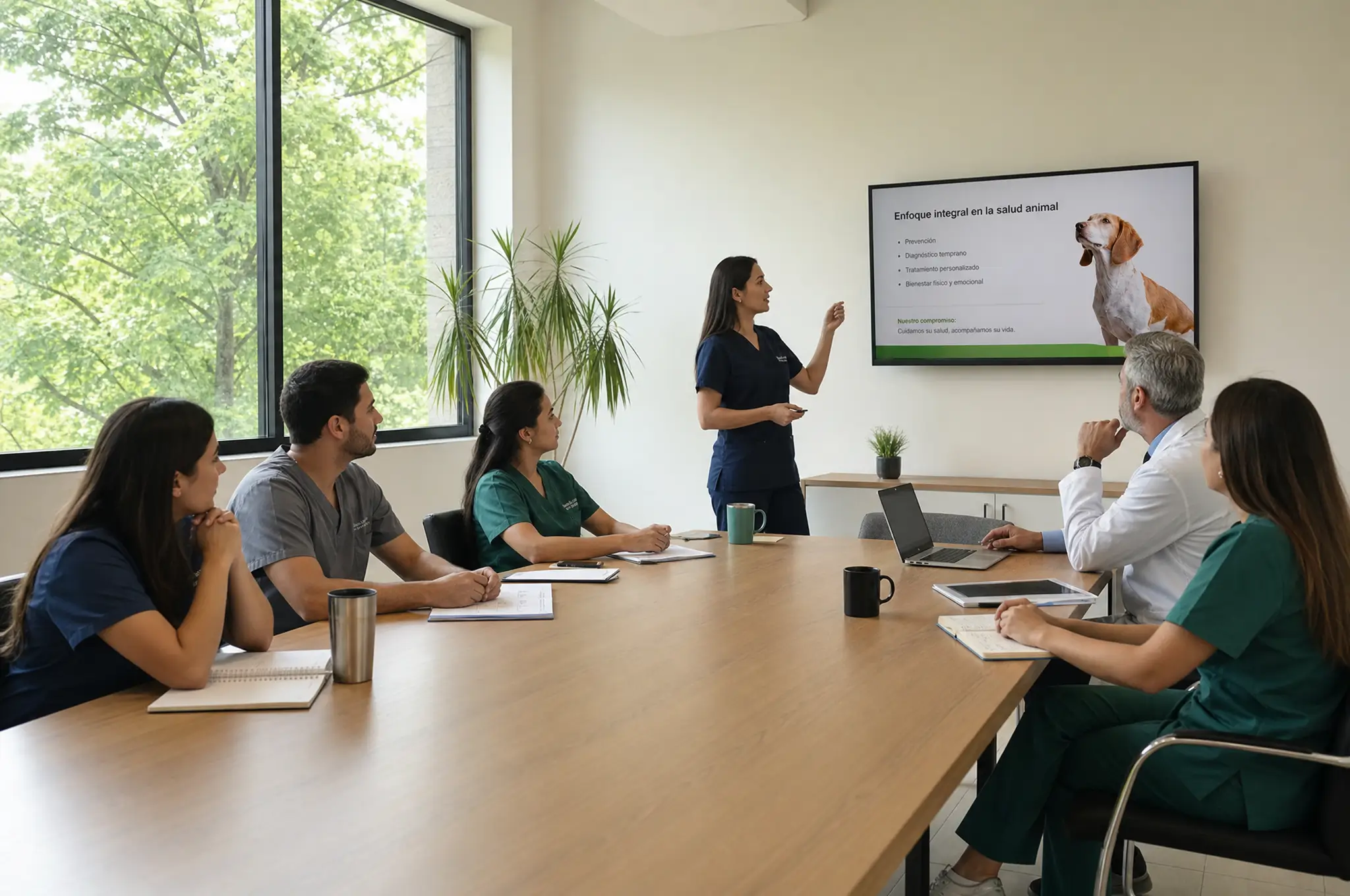
Before hiring someone to sell your practice, determine what condition you want the practice to be in when it reaches the market. Understand your financial position. Identify operational weaknesses. Consider your staff. Define your ideal transition. Determine what you want from the next chapter of your career.
Then decide which professionals you need to get there.
Our team at Veterinary Solutions Services provides the strategic perspective that can complement a broker, or, in certain transactions, eliminate the need for one.
We help practice owners understand what their business is worth, identify opportunities to improve value, prepare financially and operationally, and develop a transition strategy aligned with their goals.
Our goal isn't simply to help you close a transaction. It's to help you make the right decisions before, during, and after the sale. You don't have to be ready to sell tomorrow to start preparing today.
Schedule an Insight Session today to discuss your practice, your timeline, and your ownership goals. We'll help you identify the steps that can put you in a stronger position for your eventual transition, with the help of whatever professional you may need.